

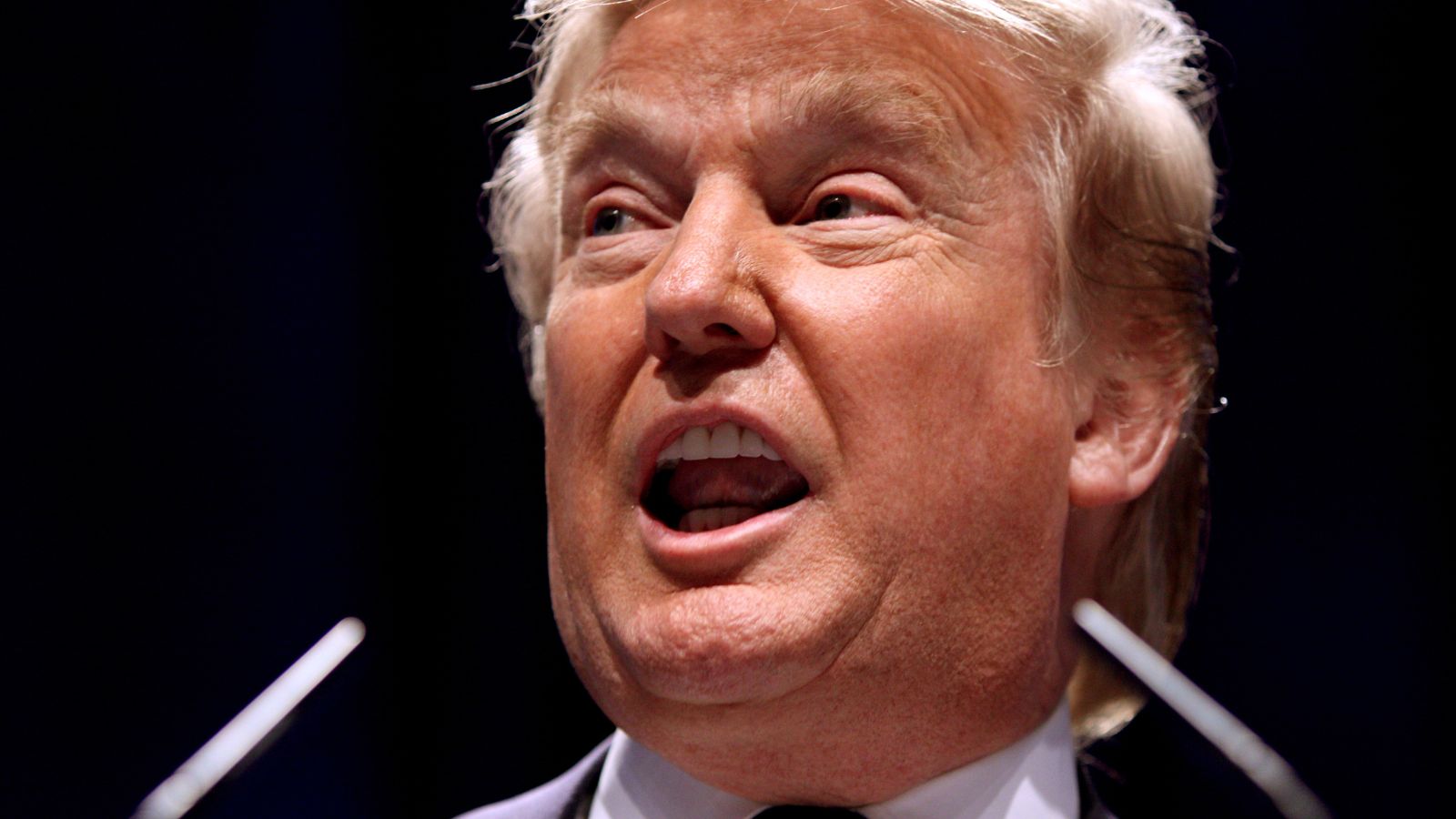
The Council on American-Islamic Relations, the nation’s largest Muslim civil rights and advocacy organization, today responded to President Trump’s new and expanded travel ban, which targets 19 mostly Muslim and African nations and raises the specter of more vague ideological screening tests on immigrants, by calling the order “unnecessary, overbroad and ideologically motivated.”
CAIR also acknowledged that the new ban contains several important exceptions, such as an exemption for anyone who already has legal status and immediate family members seeking to immigrate to America, which makes the ban less extreme than the two original Muslim Bans that President Trump enacted during his first term before successful lawsuits blocked their implementation.
On June 4, President Trump signed a new proclamation titled, “Restricting the Entry of Foreign Nationals to Protect the United States From Foreign Terrorists and Other National Security and Public Safety Threats.
The expanded ban fully suspends immigration and nonimmigrant visas for citizens of Afghanistan, Burma, Chad, Republic of the Congo, Equatorial Guinea, Eritrea, Haiti, Iran, Libya, Somalia, Sudan, and Yemen who do not already have legal status in the United States and who do not fall into any of the other exceptions and exemptions mentioned in the proclamation.
The ban imposes partial restrictions on Burundi, Cuba, Laos, Sierra Leone, Togo, Turkmenistan, and Venezuela.
The order specifically cites President Trump’s campaign statement, “We will restore the travel ban, some people call it the Trump travel ban, and keep the radical Islamic terrorists out of our country (sic) that was upheld by the Supreme Court.”
In a statement, CAIR National Executive Director Nihad Awad said:
“President Trump’s new travel ban targeting mostly Muslim and African nations and raising the specter of more vague free speech restrictions is overbroad, unnecessary and ideologically motivated.
“Automatically banning students, workers, tourists, and other citizens of these targeted nations from coming to the United States will not make our nation safer. Neither will imposing vague ideological screening tests that the government can easily abuse to ban immigrants based on their religious identity and political activism.
“Even with the exceptions outlined in the order, this new travel ban risks separating families, depriving students of educational opportunities, blocking patients from access to unique medical treatment, and creating a chilling effect on travelers.
“The government already can and does engage in an extensive vetting process before approving individual visas and it could continue to do so with any nations of concern rather than imposing blanket bans on their citizens.
“We recognize that this new travel ban does contain some exceptions, such as exempting lawful permanent residents and others who already have valid U.S. visas and other limited categories, but the fact remains that automatically banning anyone based on their nationality or vague allegations of ‘hostile attitudes’ to American culture or policies undermines our nation’s values.
“We must not allow Americans to be silenced for exercising their constitutional rights or for immigrants to be expelled or banned because of their faith, their nationality or their human rights activism. CAIR remains committed to vigorously defending the rights guaranteed by the Constitution and the dignity of all impacted by our nation’s policies.”
CAIR advises impacted community members impacted by the ban to:
- Consult an Immigration Attorney: Seek qualified legal counsel to assess how this proclamation impacts your immigration status and explore appropriate legal responses.
- Avoid Non-Essential Travel: Although the ban theoretically does not apply to lawful permanent residents and others with valid immigration status even if they are citizens of a targeted countries, the administration’s separate attempts to target such immigrants based on their advocacy for Palestine remains a threat to travelers.
- Maintain Documents Securely: Keep physical and digital copies of passports, visas, green cards, and employment authorization handy and secure.
- Stay Informed of Your Rights: Review CAIR’s latest “Know Your Rights” resources for guidance on interactions with immigration officials and law enforcement.
CAIR strongly urges anyone who experiences or witnesses harassment or civil rights violations linked to this ban to immediately report incidents to CAIR’s Civil Rights Department via the Report an Incident form.
CAIR reaffirms its unwavering commitment to:
- Challenging ideologically motivated immigration policies.
- Defending the First Amendment rights of all individuals.
- Providing legal and educational resources to impacted communities.
END
CONTACT: CAIR National Communications Director Ibrahim Hooper, 202-744-7726, [email protected]; CAIR National Communications Manager Ismail Allison, 202-770-6280, [email protected]; CAIR Government Affairs Director Robert McCaw, 202-742-6448, [email protected]