

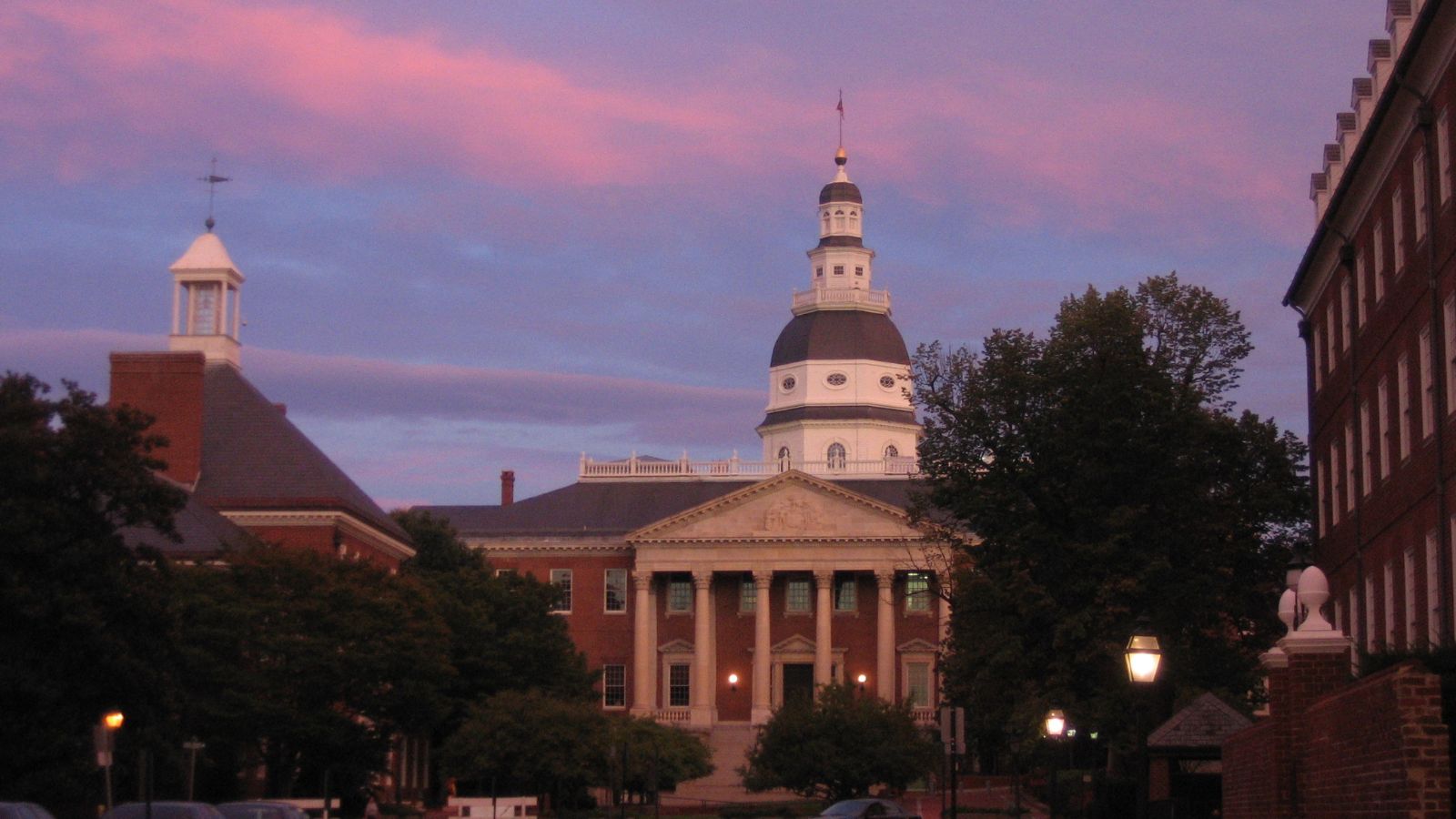
The Maryland office of the Council on American-Islamic Relations (CAIR) today welcomed the Maryland General Assembly’s passage of several key immigrant’s rights bills including the Community TRUST Act (SB791) and the Data Privacy Act (HB711), calling it a landmark victory in protecting civil rights, strengthening community trust, and safeguarding the dignity of immigrant families across the state.
Passed in the very final moments of the legislative session, these bills now head to Governor Wes Moore’s desk for signature.
The Community TRUST Act establishes critical protections by requiring a judicial warrant for Immigration and Customs Enforcement (ICE) transfer requests, effectively ending unconstitutional detention practices based solely on administrative detainers. It also limits local law enforcement from acting as agents or informants for federal immigration authorities, helping ensure that public safety institutions serve all residents without fear or discrimination.
The Data Privacy Act closes dangerous loopholes that previously allowed ICE to access sensitive personal data through state systems, including Motor Vehicle Administration records, school data, and public benefits information. By restricting this access, the legislation helps prevent the misuse of personal data against vulnerable communities.
The immigrant justice bills were among CAIR’s legislative priorities for the 2026 session.
In a statement, CAIR’s Maryland Director Zainab Chaudry said:
“This hard-fought victory championed by We Are CASA and other community partners is rooted in courage, persistence, and the unwavering belief that immigrants are the backbone of our society and deserve equal protection. For too long, these communities have lived under the constant threat of separation and surveillance. The passage of these bills marks a turning point, affirming that Maryland will not be complicit in policies that erode trust and target our neighbors. We honor the children who testified about the pain of family separation, the mothers who stepped forward to demand justice, and the workers who spoke out despite real risks. Their voices transformed pain into policy and helped deliver this historic outcome. The moment reflects what is possible when communities unite to demand justice and hold institutions accountable.”
Washington, D.C., based CAIR emphasized that the passage of these bills was made possible by years of grassroots organizing and the bravery of impacted individuals who shared their stories publicly.
CAIR’s mission is to protect civil rights, enhance understanding of Islam, promote justice, and empower American Muslims.
La misión de CAIR es proteger las libertades civiles, mejorar la comprensión del Islam, promover la justicia, y empoderar a los musulmanes en los Estados Unidos.
END
CONTACT: CAIR Maryland Director Zainab Chaudry, [email protected], 410-971-6062; CAIR National Communications Director Ibrahim Hooper, 202-744-7726, [email protected]; CAIR National Communications Manager Ismail Allison, 202-770-6280, [email protected]